Home feng shui
Living Room Feng Shui: Seating, TV, and Conversation Flow
Arrange living room feng shui for 2027 with classical bright-hall seating, L-shaped conversation flow, balanced TV placement, and Tai Sui cures.
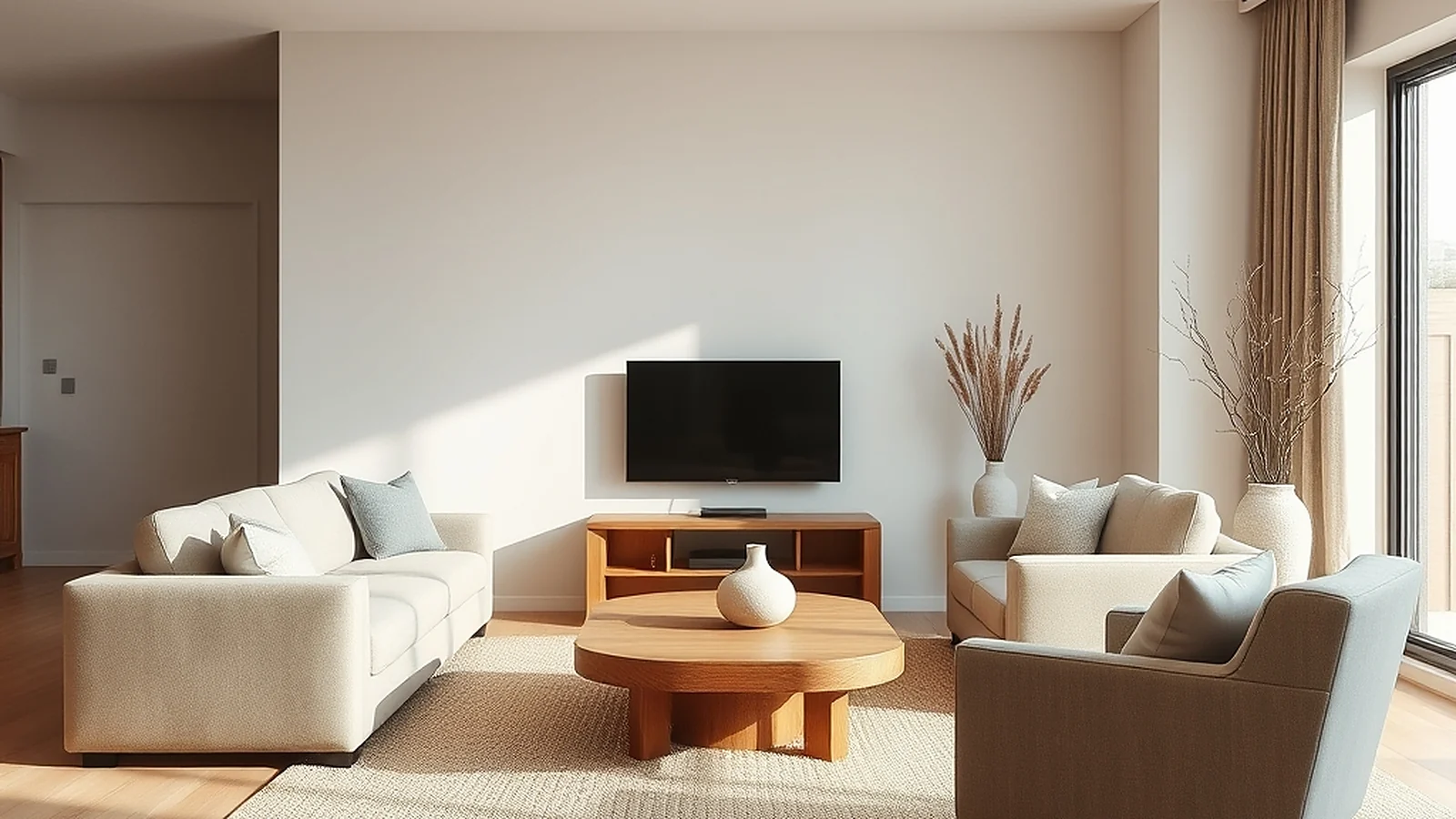
Good living room feng shui anchors your largest sofa against a solid wall facing the entrance, arranges extra seating in an L- or U-shape, and keeps the TV from dictating the layout. That setup creates a balanced “bright hall” (ming tang), your home’s primary yang gathering space, where conversation flows naturally without blocking sightlines to the doorway or screen.
Placing that main sofa in the commanding host position farthest from the door, with a few inches of wall clearance, stops incoming energy from rushing straight from the entry to a window in a “qi leak.” Curved or angled groupings hold energy comfortably in the room’s center, whereas seating lined up in one straight row creates confrontational tension.
Why Classical Texts Call the Living Room the Bright Hall (Ming Tang)
While a yin bedroom is arranged for quiet withdrawal, this room is a yang gathering space built for light, movement, and conversation 4. Classical tradition calls it the bright hall, or ming tang, making it the most yang room in a home. How you arrange sofas, sightlines, and media starts from that distinction: a bedroom holds stillness, while a shared hall collects and circulates energy.
Before shifting furniture, stand at the room’s entrance and check the sightlines. When air and foot traffic rush straight from a front door to windows or a back door, traditional texts warn of a qi leak that drains settled energy out of the room 3. The classic response uses deliberate furniture anchors to slow that straight line. In a small apartment where a narrow living area doubles as the entry path, angling an accent chair slightly inward or laying down a grounded rug between the doorway and sofa creates a gentle pause without blocking the walkway.
Once that traffic path is calm, classical living room layout rests on three foundations: commanding position, wealth corner activation, and five-element balance.
For seating and conversation flow, commanding position comes first. Place your largest sofa in the host position, as far from the door as the room allows, facing the entrance, and backed by a solid wall with inches of wall clearance behind it 3. From there, group chairs and secondary seating in an L-shape or U-shape to hold qi and draw people toward one another, rather than lining seats in one straight row that creates confrontational energy. Paired with a settled wealth corner and balanced five elements across your furnishings and screen zone, that anchor turns a busy pass-through space into a steady gathering room.
Quick reference
| Point | What to do |
|---|---|
| Host position | Sofa against a solid wall, farthest from the door, facing the entrance, a few inches of clearance behind |
| Seating shape | L or U shape with the ends turned inward; a single straight row reads as confrontation |
| Television | Side wall or off-centre inside the L, so the sofa never floats with its back to the door |
| 2027 markers | Tai Sui in the southwest (195°–225°), Sui Po in the northeast (15°–45°), Three Killings separately in the west (225°–315°) |
Sofa Placement, Wall Clearance, and Stopping Energy (Qi) Leaks
Unlike a yin bedroom built for quiet withdrawal, the living room is your home’s active yang gathering space 4. Because classical feng shui treats this room as the home’s bright hall, your layout starts with where the largest sofa sits in relation to the room’s entrance.
Place that sofa in the commanding “host position,” farthest from the entrance and backed by a solid wall while facing the door. Before pushing the frame flush to the drywall, pull it forward to leave inches of breathing room behind the backrest 3. That narrow gap prevents the seating from feeling pinned down, and the solid wall behind it gives physical backing. In a small apartment where the entry opens near the main wall, keep the same criteria: pick the wall farthest from the door swing, keep a clear sightline to the entrance, and preserve those inches of clearance behind the cushions.
Once the host sofa is anchored, check how the rest of your seating surrounds it. Grouping chairs or a sectional into an L or U shape holds qi inside the conversation zone, whereas lining seats in one straight line creates confrontational energy.
Finally, stand at the front door and trace a straight line across the floor toward any large windows or back doors. When qi rushes directly from a front entrance out through a back door or window, it creates a qi leak that drains the room before energy can settle 3. Break that straight path by positioning your L-shaped or U-shaped seating group across the sightline rather than leaving an open runway down the center. Walk the route yourself to test it: if you naturally curve around the edge of the seating instead of walking arrow-straight from the threshold to the glass, you have slowed the rush.
Seating Shapes, Conversation Flow, and Positioning the TV
Classical feng shui treats the living room as a yang gathering space 4, the “bright hall” (ming tang) designed for movement and conversation. The shape of your seating determines whether that energy settles or fractures. When chairs and sofas sit in one straight line, facing a blank wall or mirroring an identical row opposite them, qi rebounds along a rigid axis and creates confrontational energy 3. By contrast, L-shaped and U-shaped groupings work like a calm harbor. Turning the ends of the arrangement inward slows incoming movement and gathers qi in the center where people actually talk.
Build that curve with your largest sofa in the host position, set against the far wall and facing the entrance. Leave a few inches of clearance between the sofa back and the wall so energy does not stagnate behind the cushions. You can set an armchair or loveseat perpendicular to the sofa to form an L, or flank both ends for a U. In a narrow apartment where a full U-shape blocks walkways, a compact sectional paired with one angled accent chair creates the same pocket of stillness without crowding the floor.
Your television should support this circle rather than dictate it. Avoid mounting the screen on the commanding wall if doing so forces the main sofa to float with its back to the door. Keep the sofa anchored on the solid wall and place the TV on a side wall or slightly off-center within the L-shape. When the screen is off, guests naturally face one another across a coffee table instead of sitting in a straight row. Finally, check the sightline from your front door to large windows or back doors; extending one leg of your seating across that path slows a rushing qi leak before it drains out 3.
Reconciling Permanent Seating with 2027 Fire Goat Annual Shifts
On February 4, 2027, at Li Chun, the annual Flying Stars shift for the Fire Goat year. Before that date, check your compass bearings to see whether your main sofa sits in the Southwest (195° to 225°), where Tai Sui and Flying Star #6 arrive for the year 1. That same annual guide places the Three Killings in the Southwest as well, though standard directional charts keep the three annual afflictions separate: Tai Sui in the Southwest (195° to 225°), Sui Po in the Northeast (15° to 45°), and the Three Killings in the West (225° to 315°). Keeping those boundaries distinct matters if your seating turns across the 225° corner.
If your permanent sofa already sits in the commanding host position (against a solid wall, farthest from the door, facing the entrance with a few inches of wall clearance), do not haul it across the room just for an annual shift 3. Breaking up an L-shaped or U-shaped arrangement into a single straight line creates confrontational energy and disrupts conversation flow. Instead, finish any heavy furniture moves, wall mounting, or noisy repairs before February 4, 2027.
Once Li Chun passes, give both the Southwest (195° to 225°) and any adjoining West wall (225° to 315°) physical stillness: no drilling, hammering, or rearranging. Normal daily sitting does not provoke Tai Sui. Because the living room is an active, yang gathering space 4, calm conversation lets Flying Star #6 work steadily without construction disruption.
As for soothing Tai Sui, that same annual guide recommends keeping a plugged-in salt lamp specifically between 202.5° and 225°. Treat that exact object and degree range as one author’s house routine rather than classical consensus. What the tradition actually asks of the Southwest is quiet stability: clean inches behind the backrest, steady light on an end table if you already use one, and an undisturbed wall.
Five-Element (Wu Xing) Balance and the Wealth Corner (Cai Wei)
With your main seating anchored, two traditional areas remain. Classical texts give the living room the name ming tang, the home’s most yang room 3, a social gathering space rather than a yin bedroom built for withdrawal 4. Both wealth corner activation and five-element balance work best when translated into clean circulation, warm lighting, and tactile materials rather than superstitious clutter.
Check circulation before styling any corner. Stand at the main entrance and trace the sightline toward opposite windows or a back door. When energy shoots straight from a front door out through glass or an exit, it creates a wealth-draining “qi leak,” whereas an L-shaped or U-shaped seating group naturally slows traffic and holds qi inside the conversation circle 3. In a small apartment where a full sectional overwhelms the floor plan, a single angled armchair or a low console table creates the same gentle pause without blocking movement.
Next, check the corner edges and perimeter. The tradition asks you to activate the wealth corner, yet in a practical Western room the useful version is keeping that corner bright, unobstructed, and alive. Replace tangled cords, stacked mail, or faux-gold ornaments with a healthy indoor plant, a solid wood side table, or an uplight floor lamp that lifts heavy shadows. While checking the walls, leave a few inches of clearance behind major seating so air and light circulate rather than stagnate.
Finally, express five-element balance through understated material contrast instead of loud color rules. Pair matte timber and natural wool or cotton upholstery with stone or ceramic surfaces, subtle brushed metal hardware, and layered warm lamps rather than harsh overhead glare. When glass, metal, and bare drywall dominate, conversation turns brisk and chilly; balancing those cooler finishes with wood, fabric, and soft light keeps the bright hall steady and welcoming.
FAQ
Why do classical texts treat the living room as a yang ‘bright hall’ (ming tang) rather than a yin retreat?
Unlike a yin bedroom built for withdrawal, this space is meant for active gathering and shared movement, which is why classical feng shui calls it the ‘bright hall’ (ming tang) and the home’s most yang room.
How do you place a primary sofa in the host and commanding position without pushing it flush against the wall?
Set your largest sofa against a solid wall farthest from the door so it faces the entrance, giving it the commanding ‘host position,’ then pull the frame forward to leave inches of wall clearance.
Why do L-shaped and U-shaped seating arrangements support living room energy better than straight-line seating?
Grouping seats in an L or U turns people inward and holds qi in the center of the room, whereas arranging seating in one straight line creates confrontational energy.
Sources
- 2027 Flying Star Feng Shui: How to Feng Shui Your House for the Year of the Fire Goat – Fe
- Feng Shui Living Room Layout Guide: Tips, Colors & Ideas
- Feng Shui Living Room Guide: Layout, Colors & Wealth Corner Tips (2026) | LuminQi
- Living Room Feng Shui Guide| Feng Shui Power
- 21 Feng Shui Living Room Layouts Ideas for Balanced Spaces - The Design Confidential
- 6 Feng Shui Living Room Layouts for Any Room Size
- Feng Shui Living Room - Great Research
Conclusion
Living room feng shui rests on three foundations: commanding position, wealth corner activation, and balance of the five elements. Unlike the yin bedroom built for withdrawal, this space is the bright hall and yang gathering room. Qi rushing straight from a front door to windows or back doors creates a qi leak that drains wealth. Annual Flying Stars for 2027 relocate on February 4 at Li Chun: check whether the main sofa sits in the southwest, where Tai Sui and Flying Star #6 arrive, and leave that corner still rather than renovating it.
Related reading: Feng Shui 2027, 2027 Flying Star Chart