Home feng shui
Best Feng Shui Plants for 2027: Where Wood Belongs
Choose the best feng shui plants for 2027 using Five Elements Wood rules, Compass vs. BTB Bagua maps, and Li Chun annual shifts without the superstition.
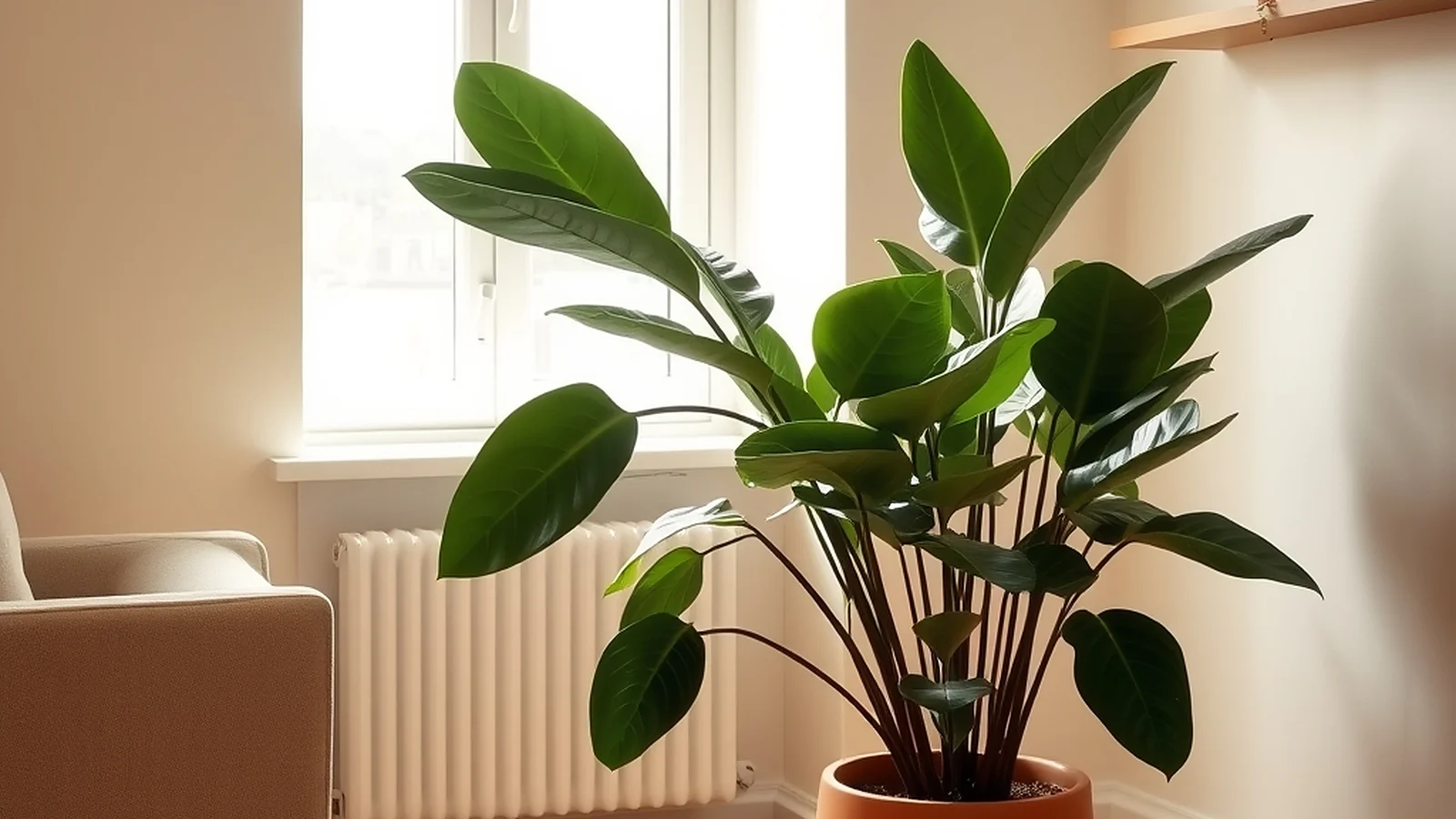
For 2027, the best feng shui plants are healthy, easy-care houseplants placed in your home’s east or southeast rooms rather than any single “lucky” species. No plant species has scientifically verified feng shui effects, so where you place Wood matters far more than which variety you buy this year. In Wu Xing, greenery is Wood, the element of spring and of the eastern and southeastern sectors. Classical Feng Shui relocates the annual Flying Stars on Li Chun, February 4, 2027, two days before the new year. That shift places Tai Sui in the southwest (195° to 225°), where it meets Flying Star #6, while the Three Killings sit separately in the west. A leggy rubber plant moved from a dim corner to an east window settles a room for the plain reason that it starts thriving. Whether you follow Compass directions or a front-door BTB Bagua map, good placement pairs traditional zones with real daylight.
What Plants Actually Do in Classical Feng Shui (and What They Don’t)
Classical feng shui began roughly 4,000 years ago in China as a method of landscape siting, evaluating land and surroundings rather than indoor decor 3. Its spatial principles were most formally codified during China’s Tang and Song dynasties, long before houseplants became common in modern living rooms. Nothing in the botanical literature assigns any species a verified feng shui effect 4. A single potted plant cannot compensate for a cramped layout or deliver promised outcomes on its own.
What a plant actually adds is the living Wood element, changing how a room looks and flows. Wood belongs to spring, to green, and to the east and southeast. Practically, healthy foliage softens harsh architectural lines and slows fast sightlines across open floors. When leaves filter bright window glare or break up an exposed wall corner, your eye moves through the room more calmly. Classical texts call that physical shift in light and movement guiding chi.
Before deciding where Wood belongs in 2027, run three checks. First, check timing: classical feng shui marks the annual shift at Li Chun on February 4, two days before the new year 1. Second, check light: the tradition favors east and southeast rooms, yet in a shaded apartment it makes more sense to place real plants only where daylight sustains steady growth, since a yellowing plant adds visual clutter. Third, check your commanding position, where a bed or desk sits far from the doorway without facing it directly. Upright greenery can buffer that direct sightline or anchor a sunny corner, while staying clear of swinging doors and narrow walkways.
Quick reference
| Point | What to do |
|---|---|
| Where Wood belongs | East and southeast rooms on the Compass map; BTB rotates the nine zones to your front door |
| Light before luck | Place plants only where daylight sustains growth; a yellowing specimen adds clutter, not chi |
| 2027 markers | Tai Sui southwest (195°–225°) with Star 6, Sui Po northeast (15°–45°), Three Killings west (225°–315°). Leave all three still |
| Leaf shape | Rounded foliage beside seating, upright plants in narrow corners, spiky blades two to three feet clear of beds and sofas |
Best Feng Shui Plants for 2027 by Leaf Shape and Growth Habit
Nothing about a single species is scientifically verified, and in Wu Xing, living Wood belongs to the eastern and southeastern sectors 4. Rather than buying a houseplant on a promise of luck for the 2027 Year of the Fire Goat 1, pick by leaf shape and growth habit. Sturdy greenery should soften sharp architecture and settle the eye, not crowd a room.
Rounded, soft-edged foliage is the easiest choice for calm energy (chi). Plants with rounded or oval leaves, such as jade plants, pilea, and rubber plants, soften boxy furniture and wall corners without demanding constant attention. Before buying one, check your room’s natural light and inspect the leaves to make sure they are firm and unblemished. In a small apartment, one healthy specimen in an 8-to-10-inch pot near a bright window supports a living room far better than three cramped plants dropping leaves in dim corners.
Upright plants draw the eye upward and fit narrow floor footprints roughly 12 to 18 inches wide beside bookshelves or cabinets. Soft upright choices like parlor palms and fiddle-leaf figs add height while keeping a room open. Sharp, sword-like foliage, such as snake plants and spiky yuccas, needs more caution. The tradition treats rigid, pointed blades as disruptive near resting bodies. In a small apartment, the practical version is simple: keep spiky leaves at least two to three feet clear of sofas, beds, and desks placed in a commanding position away from the door 3. They work better in entryways or unused corners.
Trailing plants, like golden pothos and heartleaf philodendron, drape downward to soften tall bookcases, upper kitchen cabinets, and high shelves. Trim the vines so they frame an edge cleanly without hanging into walkways or brushing over a headboard, and snip off yellowing tips weekly so the room stays tidy.
Compass vs. BTB Bagua: Where to Place Wood Plants in Your Home
Beginners often stall when two feng shui guides tell them to put a houseplant in opposite rooms. The contradiction comes down to which Bagua map each guide uses. Both maps divide a floor plan into nine zones governing different aspects of life, yet they anchor the grid differently: the Compass school locks the nine zones to true cardinal directions, while the Western BTB school aligns the grid to your front door 3.
That difference decides where Wood plants go. In Wu Xing theory, Wood sits with green foliage in the east and southeast 4. Under the Compass Bagua, those two sectors, including the southeast wealth corner, are the primary spots for living plants regardless of where your entrance sits. Under BTB, the nine zones rotate to match the front door, which can place the wealth corner in a room facing an entirely different direction.
The tradition asks for true compass bearings, yet in a small apartment with dark east-facing corners, it makes more sense to put your plants where they receive adequate light than to force a struggling specimen into a dim hallway. Because no plant species has scientifically verified feng shui effects, keeping foliage healthy matters more than rigid placement.
Before arranging pots for 2027, check your home’s compass orientation first, and consult a personal Kua alignment tool to see how your individual directions match the layout. Classical charts update at Li Chun on February 4, ahead of the new year, placing Tai Sui in the southwest from 195° to 225° 1. Leave that southwest sector undisturbed rather than grouping heavy floor planters there. Elsewhere, keep plants clear of doorways and leave open space around beds and desks set in the commanding position, far from doors without directly facing them.
2027 Annual Timing and Caution Zones: Li Chun, Fire Goat, and the Southwest
Your 2027 houseplant calendar starts earlier than you might expect. In classical Feng Shui, annual adjustments begin on Li Chun, which falls on February 4, 2027, two days before Lunar New Year on February 6. Because the tradition relocates the annual Flying Stars on Li Chun rather than Lunar New Year, February 4, the start of the Year of the Fire Goat (Ding Wei), is when seasonal plant placements shift 1.
Before moving a single pot, check your home’s orientation. Unlike the BTB Bagua map, which orients from the front door, annual Feng Shui uses the Compass school’s cardinal directions 3. Stand in a room with a compass to locate the Southwest sector between 195° and 225°. In 2027, Tai Sui occupies that 195°–225° Southwest sector alongside annual Flying Star #6. The three annual afflictions stay in three separate sectors: Tai Sui in the Southwest (195°–225°), Sui Po opposite in the Northeast (15°–45°), and the Three Killings in the West (225°–315°).
The tradition warns against digging, heavy soil disturbance, or disruptive setups where Tai Sui sits. In a small apartment or townhouse, that applies directly to plant care. Leave your Southwest (195°–225°) windowsills, balconies, and corners alone for the year: do your repotting elsewhere, skip heavy shelving, and avoid dragging large ceramic planters across that zone. Following the classical chart, keep the West (225°–315°) and Northeast (15°–45°) quiet as well, saving messy soil work for another spot.
Once February 4 arrives, put new greenery on steadier ground. In Wu Xing, fresh growth belongs to the east and southeast 4, making those sectors the natural home for fresh 2027 plant setups.
Room-by-Room Placement Rules and Commanding Position Mistakes
Before buying a pot, walk each room and note where doors swing and feet naturally travel. In the entryway, never place a planter inside the door’s swing arc or in a narrow hall where leaves brush your coat. Tuck one stable pot beside the entry instead, especially if your foyer sits in the east or southeast, the compass directions aligned with Wood and spring in Wu Xing 4.
Living rooms work best when greenery softens unused corners instead of crowding sofa arms or walking paths. Compass-school readers can favor east and southeast walls, while BTB practitioners mapping from the front door can place greenery along open edges without blocking circulation. The tradition assumes generous floor space, so in a tight apartment, setting one compact pot on a windowsill or side shelf works better.
For a home office, check your desk placement first. The commanding position places your desk far from the door without directly facing it, giving you a clear sightline 3. Keep tall foliage out of the path between your chair and the doorway, and set one healthy plant beside the desk where natural light reaches it.
Bedrooms follow the same commanding rule: place the bed far from the door without directly facing it. Keep paths around both sides clear, and skip oversized floor planters. One small pot on a distant dresser is plenty, especially in low light.
A yellowing, leggy plant undercuts a calm room far more than skipping a famous botanical name. Pick plants that thrive in your light, keep walkways unobstructed, and clear dead leaves before Li Chun on February 4, 2027, when classical feng shui shifts the annual Flying Stars into the Fire Goat year 1.
FAQ
When do classical Flying Stars shift for the 2027 Year of the Fire Goat?
Li Chun falls on February 4, 2027, two days before the new year begins. Classical Feng Shui relocates annual Flying Stars on Li Chun rather than Lunar New Year.
Which compass directions and seasonal qualities belong to the Wood element in Wu Xing?
Wood is the element of spring, of green, and of the east and southeast. Light and steady care matter more than the species you pick.
What is the difference between Compass Bagua and BTB Bagua mapping?
The Bagua map divides a space into nine zones governing different life aspects. Two Bagua schools exist: Compass uses cardinal directions, while BTB uses the front door.
Sources
- 2027 Flying Star Feng Shui: How to Feng Shui Your House for the Year of the Fire Goat – Fe
- Feng Shui Plants Placement Guide | PlantSolve.com Energy Maps
- Feng Shui Plants: Best Species, Placements & Room-by-Room Guide
- Feng Shui Plants: A Complete Guide to Energy, Placement, and Wellness – Nature Whisper
- 8 Feng Shui Houseplants: Where to Place Each One
- Black Plants for Feng Shui Garden | Under the Solano Sun
Conclusion
Classical feng shui originated roughly 4,000 years ago in China for landscape siting and was formally codified during the Tang and Song dynasties, while the Bagua divides a space into nine zones using cardinal directions or the front door. Commanding positions place beds and desks far from doors without directly facing them, and Wood aligns with spring, green, east, and southeast. In 2027, classical Flying Stars relocate on Li Chun, February 4, before the new year, and what counts is light, placement, and health rather than the species.
Related reading: Feng Shui 2027, 2027 Flying Star Chart